Best Places to Live in South Dakota for Retirees: A Practical Guide to Choosing Your Fit

If you are searching for the best places to live in South Dakota for retirees, you are probably balancing two big goals: stretching retirement income and finding a place that feels good to live in every day. South Dakota can check many boxes, especially for people who value lower taxes, open space, and a strong sense of community.

At Kelly Howie we want to help you compare different parts of the state, then narrow your shortlist based on healthcare access, housing comfort, and the lifestyle you want in retirement.

What to look for when choosing where to retire in South Dakota

Before we get into specific towns and cities, it helps to name the factors that matter most for retirees. Two places can be equally “nice,” but feel entirely different depending on your daily routine.

1) Healthcare access and convenience

In retirement, you want a plan for both routine care and specialist visits.

Featured considerations:

  • How close you want to be to a regional hospital or medical system
  • Whether you prefer a larger city with more specialists or a smaller town with basic services nearby
  • How comfortable are you driving in winter for appointments
best places to retire in South Dakota

2) Housing comfort and long-term livability

Retirement-friendly housing is not only about price. It is about ease.

Featured considerations:

  • Single-level living, fewer stairs, and manageable yard upkeep
  • Property tax awareness and budgeting for utilities in winter
  • Whether you want a neighborhood home, a condo a townhome, or land with more privacy

3) Climate and four-season reality

South Dakota’s weather is a significant factor in the experience, especially for retirees moving from mild climates. Some people love distinct seasons. Others prefer less wind and snow.

Featured considerations:

  • Comfort with winter driving, snow removal, and colder temps
  • Preference for sunnier days versus humid summers
  • Willingness to “plan around weather” for part of the year

4) Amenities and community life

For many retirees, quality of life comes down to what is within a short drive.

Featured considerations:

  • Parks, trails, libraries, and community events
  • Restaurants and cultural activities
  • Volunteer opportunities and social groups
South Dakota retirement communities

Why South Dakota can work well for retirement

Many people exploring retiring in South Dakota start with finances, then realize the lifestyle is what sells them.

No state income tax, plus a generally tax-friendly structure

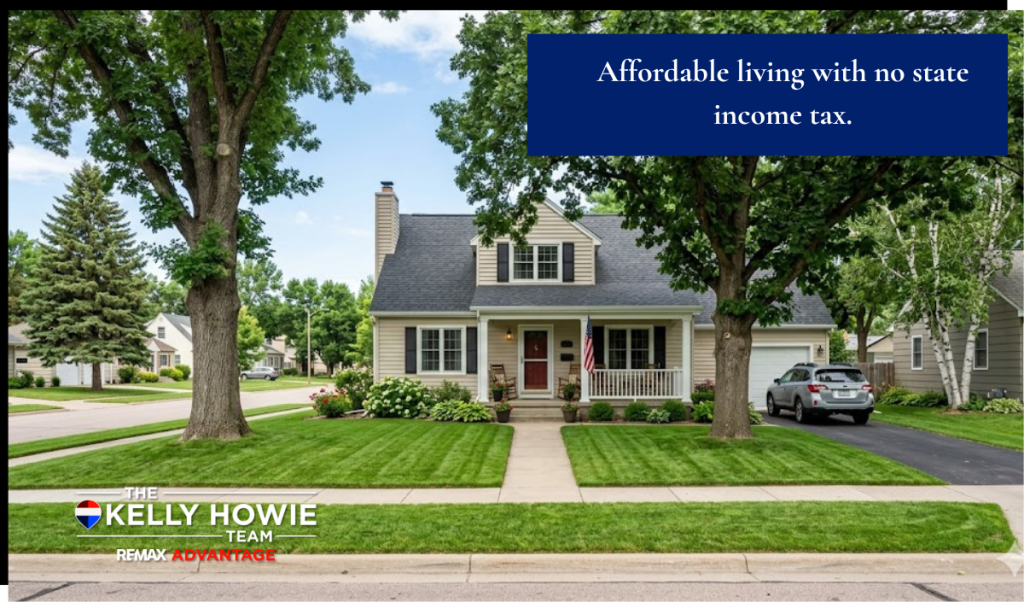
South Dakota is one of the states that does not impose a state income tax.That can be especially appealing for retirees trying to manage withdrawals and budgeting.

Cost of living often feels more manageable than coastal states

The Bureau of Economic Analysis uses“regional price parities” to compare overall price levels across states. In that dataset, South Dakota has been among the lower-priced states relative to the national average in recent years.

Community, space, and outdoor time

Retirees who move here often talk about:

  • More breathing room and less congestion
  • Easy access to trails, lakes, and scenic drives
  • A welcoming, neighborly feel in many communities

Best places to live in South Dakota for retirees

This list blends larger cities with strong services and smaller towns that show up frequently on retirement rankings. One helpful reference for how different communities compare is Forbes “best places to retire” rankings for South Dakota, which pulls from multiple public datasets. 

Sioux Falls retirement living

Sioux Falls is often the pick for retirees who want the most “city convenience” in South Dakota.

Why retirees like it:

  • Strong access to healthcare and specialist networks
  • More shopping, dining, and cultural events than most SD communities
  • A range of housing options, including downsizing-friendly neighborhoods

Tradeoffs to consider:

  • It can feel busier and more metro-like than many retirees expect from South Dakota
  • Some areas may cost more than small towns, depending on the neighborhood and housing type

Good fit for:

  • Retirees prioritizing healthcare access and amenities
  • Couples where one person still works remotely and wants more services nearby
retiring in South Dakota

Rapid City retirement living

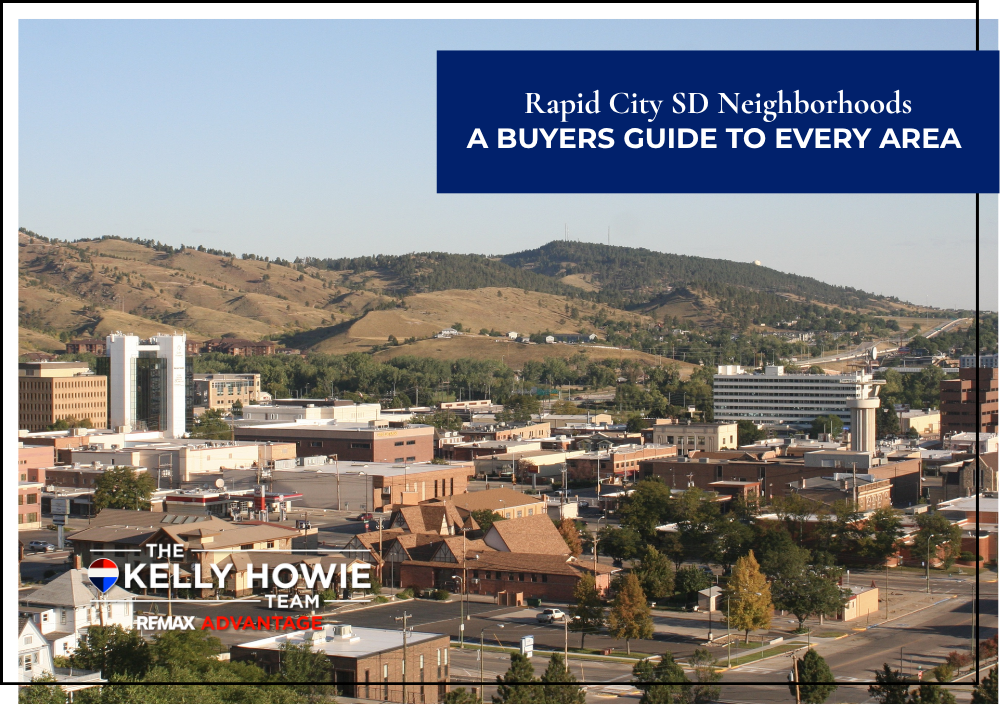
Rapid City is a practical base for retirees who want services plus easy access to the Black Hills.

Why retirees like it:

  • A regional hub feel with medical services, shopping, and community events
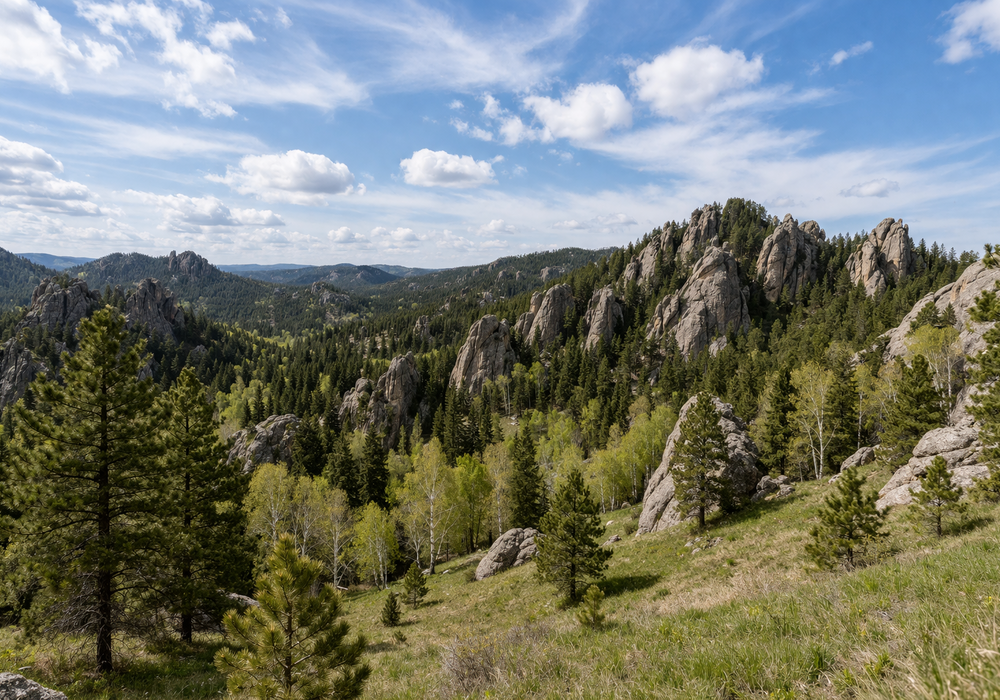
  • Quick drives into the Black Hills for scenery, trails, and day trips
  • Neighborhood variety, including quieter pockets that still stay close to town

Tradeoffs to consider:

  • Winter conditions and wind can be a real adjustment if you are coming from a mild climate
  • Some Black Hills-adjacent neighborhoods can have tighter inventory or higher demand

Good fit for:

  • Retirees who want a smaller-city feel with strong access to outdoor recreation
  • Second-home buyers who want a Black Hills anchor point without being far from services

This is also where local insight matters. Kelly Howie Team works with many out-of-state buyers looking at Rapid City and the surrounding Hills, and they can help translate “what looks good online” into what fits your lifestyle day to day.

Spearfish and Black Hills retirement living

Spearfish is a favorite for retirees who want a true Black Hills lifestyle with a smaller-town vibe.

Why retirees like it:

  • Scenic setting and an outdoors-forward daily routine
  • Walkable pockets, local shops, and a strong community feel
  • Easy access to day trips throughout the Hills

Tradeoffs to consider:

  • Smaller-town services can mean you plan ahead for certain appointments or errands
  • Housing inventory can be limited, depending on the type of home you want

Good fit for:

  • Retirees who want nature close by and do not need big-city convenience every day
  • People who value a slower pace and community connection

Hot Springs

Hot Springs appeals to retirees who want a quieter Black Hills-adjacent lifestyle and a gentler pace.

Why retirees like it:

  • A relaxed small-town feel with classic Hills character
  • Great proximity to scenic drives and outdoor day trips
  • Often feels more “unhurried” than larger hubs

Tradeoffs to consider:

  • You may drive to other towns for a wider range of healthcare specialists
  • Fewer dining and entertainment options than Rapid City or Sioux Falls

Good fit for:

  • Retirees who want calm, scenery, and a tight-knit community
  • Buyers looking for a smaller town feel while staying connected to the broader Hills region

Custer, Hill City, and Sturgis

These Black Hills communities each have a different personality, but they share a lifestyle-first appeal.

Why retirees like them:

  • Strong scenery and “mountain town” energy in parts of the Hills
  • Community events and a sense of place that feels distinct
  • Easy access to recreation, scenic drives, and visiting family

Tradeoffs to consider:

  • Housing availability can be limited, especially for single-level homes or specific neighborhoods
  • Seasonal tourism patterns can shape traffic and the feel of town at certain times of year

Good fit for:

  • Retirees who want the Hills front and center, not just nearby
  • Buyers who are comfortable taking time to find the right property

Yankton and the Missouri River corridor

Yankton is a common choice for retirees who like water recreation and want a slower, more affordable day-to-day rhythm.

Why retirees like it:

  • Missouri River lifestyle and nearby outdoor activities
  • A smaller-city feel with community events and local services
  • Often appeals to retirees who want “quiet, but not isolated”

Tradeoffs to consider:

  • You may travel for certain specialist medical services
  • It is not the Black Hills, so the scenery and recreation style are different

Good fit for:

  • Retirees who like water access and a calm pace
  • Cost-conscious buyers who still want a community feel

Dell Rapids and Madison

These smaller communities can appeal to retirees who want a quieter base while staying within reach of larger-city services.

Why retirees like them:

  • Small-town pace with close-knit community life
  • Convenient access to eastern SD services, depending on where you travel most
  • Often show up in “best small towns” style retirement conversations and rankings

Tradeoffs to consider:

  • Limited options for dining, entertainment, and certain services
  • Housing inventory may be smaller, so choice can be more limited

Good fit for:

  • Retirees who want quiet, community, and simplicity
  • Buyers who prefer a smaller home base and do not mind driving for bigger errands
affordable places to retire in South Dakota

Affordable places to retire in South Dakota: how to think about budget without chasing a bargain

When people ask about affordable places to retire in South Dakota, they often mean two things:

  • A home that fits the budget now
  • A monthly cost structure that stays manageable long term

A practical approach:

  • Start with your healthcare priorities, then pick the region that supports them
  • Decide how much winter driving you want in your life
  • Choose between “city convenience” and “small-town quiet” based on your weekly routine

If you want a deeper read on how prices and demand vary around the state, the Kelly Howie Team’s South Dakota housing market overview adds helpful context.

South Dakota retirement communities and housing options you will see most often

Retirees moving to South Dakota typically consider a few common paths:

  • Downsizing to a single-level home in a quiet neighborhood
  • Choosing a condo or townhome to reduce exterior maintenance
  • Buying land for privacy, hobby space, or a second-home plan near the Hills

If you are weighing lifestyle trade-offs beyond housing, the Kelly Howie Team’s guide to the pros and cons of living in South Dakota covers weather, pace of life, and practical considerations in greater detail.

A smart way to choose your shortlist

If you are deciding between the best places to retire in South Dakota, it helps to narrow your choices with a few honest questions:

Featured questions to ask yourself:

  • Do I want to be within 15 to 25 minutes of a major hospital, or is basic local care enough for now?
  • Do I want the Black Hills scenery every week, or would I rather have more “city services” nearby?
  • Am I comfortable driving in winter conditions, or do I want shorter, simpler daily routes?

For a step-by-step planning mindset, the Kelly Howie Team’s guide on what to know before moving to South Dakota is an intense next read, especially for out-of-state retirees.

Where your retirement story fits best

The best places to live in South Dakota for retirees are not one-size-fits-all. If you are planning a move to the Black Hills region, a local team can help you compare neighborhoods, home types, and what different budgets realistically buy in the area without guessing from afar.

That is the kind of practical clarity that makes a retirement move feel exciting instead of overwhelming.

Pros and Cons of Living in South Dakota: A Local, Real World Guide

If you are researching the pros and cons of living in South Dakota, you are probably looking for a straight answer to a simple question: Would daily life here actually fit me?

South Dakota can feel like a breath of fresh air for people coming from crowded, high-cost places, but it also comes with tradeoffs that are easier to handle when you expect them.

This Kelly Howie guide is meant to be practical and local, with examples from Rapid City and the Black Hills, plus a quick comparison to eastern South Dakota cities like Sioux Falls. 

What is it really like to live in South Dakota?

South Dakota is not one single lifestyle. It is a mix of:

  • Small cities with real amenities, like Rapid City and Sioux Falls
  • Tight-knit towns where relationships matter and services can be limited
  • Wide-open rural areas where the nearest “quick errand” might be a longer drive than you are used to

Many people who relocate say the most significant adjustment is not the housing or the taxes. It is the pace. Things can feel calmer and less congested, but you may need to plan more, especially in winter or if you live outside a core city.

is South Dakota a good place to live

The biggest pros of living in South Dakota

This section is not meant to hype the state. It is intended to explain why people move here and stay.

1) More breathing room and a slower pace

In places like Rapid City and many Black Hills communities, it is common to hear people describe life as “less rushed.” That can show up as:

  • Shorter everyday trips compared to large metro commutes
  • Easier access to outdoor time before or after work
  • A community feel where people still recognize each other in regular routines

2) Outdoor recreation that is not an afterthought

The Black Hills lifestyle is a major draw for second-home buyers, retirees, and families seeking more time outdoors. People often build their weekly rhythm around:

  • Hiking, biking, and trail access in and around the Hills
  • Weekend drives that feel scenic instead of stressful
  • Four-season activities, including winter sports if you enjoy them
cost of living in South Dakota

3) Tax friendliness that can matter for both families and retirees

South Dakota has no state income tax and no inheritance tax. For many households, that is a meaningful part of the “reasons to move to South Dakota” conversation.
A practical way to think about it:

  • A state income tax does not reduce your paycheck and retirement income
  • You still want to understand property taxes and sales taxes, which can vary by location and spending habits

The realistic cons and tradeoffs of living in South Dakota

The pros and cons of living in South Dakota are easier to evaluate when you picture your day-to-day, not just the highlights.

1) Winters are colder, windier, and longer than many newcomers expect

If you are moving from a mild climate, winter can be the biggest adjustment. It is not just snow. It is wind, temperature swings, and the practical reality of driving and planning around storms. Three things that help:

  • Having a reliable vehicle setup for winter conditions
  • Building extra time into travel days
  • Learning how “wind chill” changes how cold it feels on normal errands

2) Rural distance is part of the deal

South Dakota has open space. The tradeoff is that many services are concentrated in the larger cities. That can mean:

  • Longer drives for specialty shopping or certain medical services
  • Fewer restaurant and entertainment options in smaller towns
  • More planning for flights, appointments, and kid activities

This is one reason Rapid City and Sioux Falls can feel like “anchors.” They have hospitals, shopping, and events, but you can still be near nature.

reasons to move to South Dakota

3) Fewer big city amenities

If you love major-league sports, nonstop nightlife, or extensive public transit, you will notice the difference. Some people are thrilled by that. Others miss it after the novelty wears off.

A grounded way to frame this is: South Dakota can be a better fit if your “fun” is outdoors, community events, and local gatherings, not constant metro entertainment.

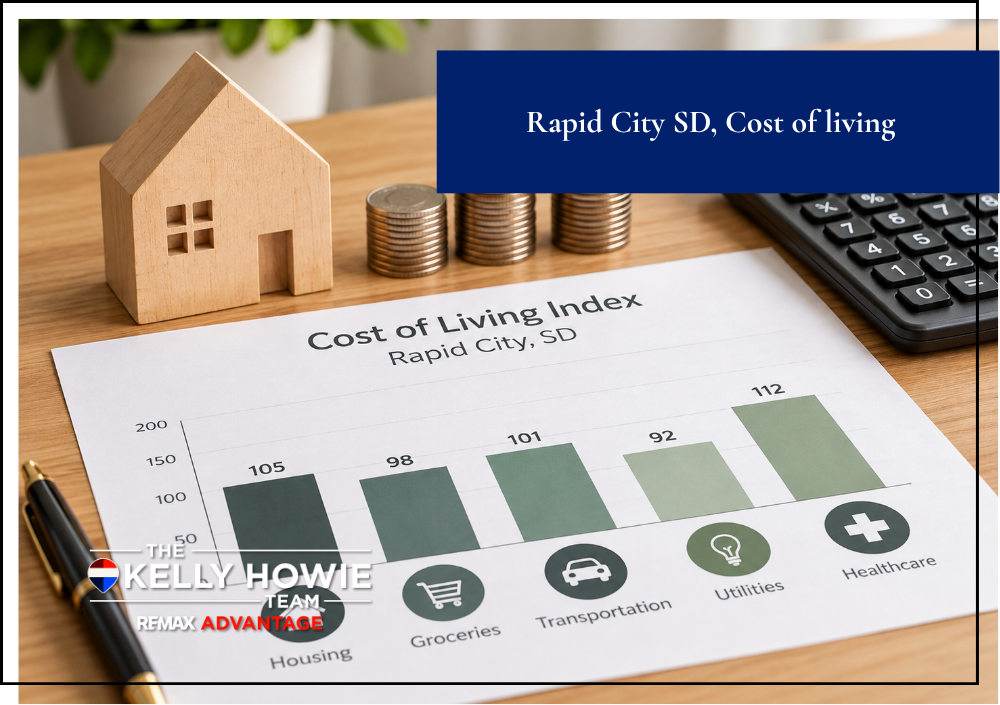
Cost of living in South Dakota: what people mean when they say “more affordable”

Affordability is not only about home prices. It is about the full monthly picture, including utilities, insurance, taxes, and how often you drive.

One useful benchmark is the Bureau of Economic Analysis regional price parities, which compare a state’s overall price level to the national average. South Dakota has been among the lower-price-level states in those comparisons.

What can surprise relocating households?

  • Heating costs can feel higher in winter, especially in older homes
  • Driving more miles adds up if you are used to dense city living
  • Some goods and services can cost more in smaller towns due to fewer providers

Rapid City and the Black Hills vs Sioux Falls: why the lifestyle feels different

People often ask if South Dakota is a good place to live without realizing how much the answer changes by region.

Rapid City and the Black Hills

This area attracts people who want scenery and outdoor access, and that demand can shape housing availability. You might notice:

  • More variation in home types, including foothills neighborhoods, acreage properties, and cabins
  • More “micro-markets,” where location and views matter a lot
  • A lifestyle blend of local community plus tourism seasons

This is also where many buyers consider a second home, a retirement base, or a move for more space and outdoor time. If you are moving to Rapid City South Dakota, it helps to think in neighborhoods and commute patterns, not just city limits.

Sioux Falls and eastern South Dakota

Sioux Falls tends to feel more like a growing metro with:

  • Larger employer presence
  • More subdivision-style development in many areas
  • Different pace and amenities compared to the Hills

Neither is “better.” They just serve different priorities.

How the pros and cons change based on your life stage

This is where the living in South Dakota pros and cons become personal. Below are three common relocation profiles and what usually matters most.

living in South Dakota pros and cons

If you are retiring

Many retirees consider South Dakota for tax simplicity, space, and a quieter pace, but the decision often comes down to healthcare and winter comfort.

What retirees often like

  • No state income tax
  • Less congestion and a calmer day-to-day rhythm
  • Outdoor recreation that is easy to access

What to plan for

  • Proximity to the healthcare network you prefer
  • Winter driving comfort and snow removal routines
  • Travel logistics for visiting family, especially if they live far away

If you are moving with a family

Families often want a place where life feels safe, schedules are manageable, and kids have room to grow.

What families often like

  • More space for the budget compared to many high-cost states
  • Community connection through schools, sports, and local events
  • Easy weekend activities outdoors

What to plan for

  • Youth activities can be less “endless options” and more “pick what is available locally”
  • Childcare availability can vary by neighborhood and city
  • Weather changes how you plan winter routines, from commutes to sports seasons

If you work remotely or can relocate for lifestyle

Remote workers often put South Dakota on the list for cost, space, and access to the outdoors, but the realities are practical.

What remote workers often like

  • A slower pace that makes daily life feel less compressed
  • Quick access to trails and outdoor time in the Black Hills
  • Smaller-city convenience without the constant metro density

What to plan for

  • Understanding internet options before you choose a home, especially outside city cores
  • Travel time to major airports depending on your work needs
  • Buying a home in a lifestyle market may require patience when inventory is tight

Housing and moving logistics: where to get deeper detail

A lot of relocation questions end up being housing questions, even if that is not where you start. Two internal resources can help you go deeper without getting lost in generic national advice:

This is also where local perspective helps. Kelly Howie Team works with many buyers relocating from other states, and the “on the ground” view can clarify what different budgets realistically look like in Rapid City and the Black Hills, where the market can change by neighborhood.

A balanced answer to “Is South Dakota a good place to live?”

For many people, the best reasons to move to South Dakota are the ones you feel every day: space, community, outdoor access, and a simpler rhythm. The main reasons not to move to South Dakota tend to be just as day-to-day: winter, distance, and fewer big-city conveniences.

If you are weighing the pros and cons of living in South Dakota, the most useful next step is not trying to find a universal verdict. It is getting clear on your non-negotiables.

If you want a four-season lifestyle with real winter, value room to breathe, and like smaller-city living with access to nature, South Dakota can fit extremely well. If you need constant metro amenities and mild weather year-round, the tradeoffs can feel heavier.

Kylie McMullin

As a third-generation Realtor who grew up in the Black Hills of South Dakota, I’ve always had a deep appreciation for the beauty and character of our area. I started my real estate career in 2016, working closely with the Owner/Broker of RE/MAX Advantage, and I’ve been passionate about this work ever since. Today, I’m proud to be a leader within a team of talented and driven agents. I love helping clients navigate the buying and selling process, and I’m committed to making every experience smooth, rewarding, and as stress-free as possible.

Whether you’re new to the Black Hills or a lifelong resident, I’m here to help you feel at home.

Kelly Howie

I’m an experienced listing and selling broker with a hands-on, proactive approach to real estate. I work alongside some of the most knowledgeable and trusted agents in the Rapid City area, and together we focus on delivering results that exceed expectations.

Whether you’re buying, selling, or investing, I’m here to anticipate your needs, offer honest advice, and guide you through every step of the process. I take pride in making each transaction smooth and successful, and I’m always ready to help you navigate the local market with confidence.