Box Elder is closest to Ellsworth’s main gate, with just a 5- to 10-minute commute; this is where most military families end up when commute time is the top priority.
Rapid Valley and Rapid City itself run 10 to 20 minutes out, with more established resale inventory and in-town amenities.
Sturgis and other Meade County towns sit 20 to 30 minutes away, trading commute time for larger lots and lower prices. Which neighborhood is “best” really depends on whether you’re optimizing for commute, price, school district, or space; this guide breaks down the actual trade-offs.
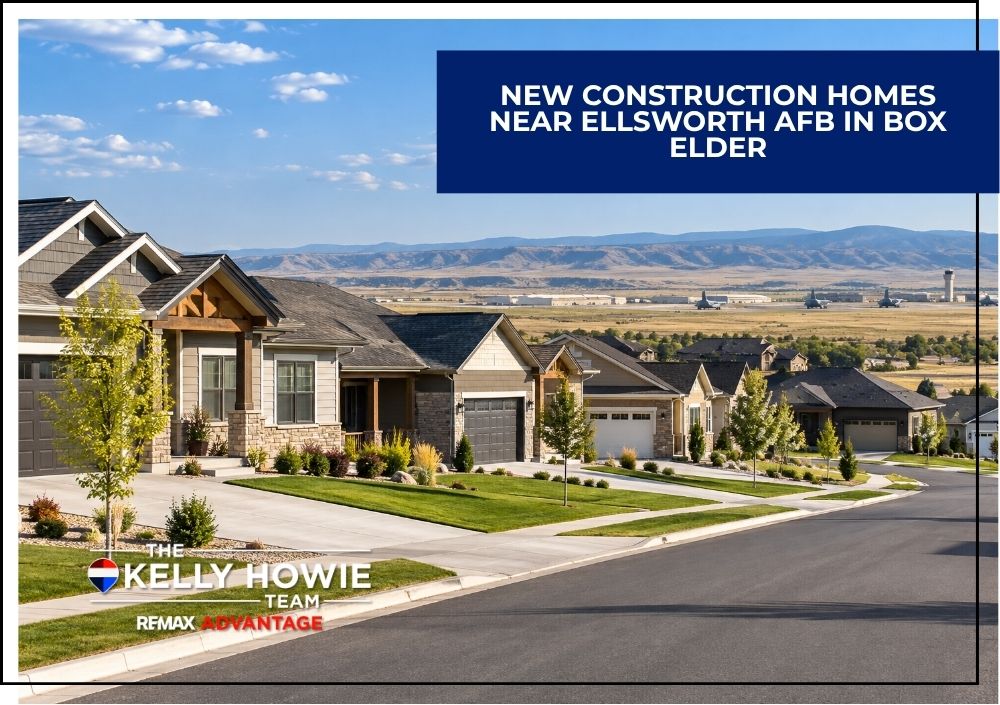
Box Elder: Closest Commute to Ellsworth’s Main Gate
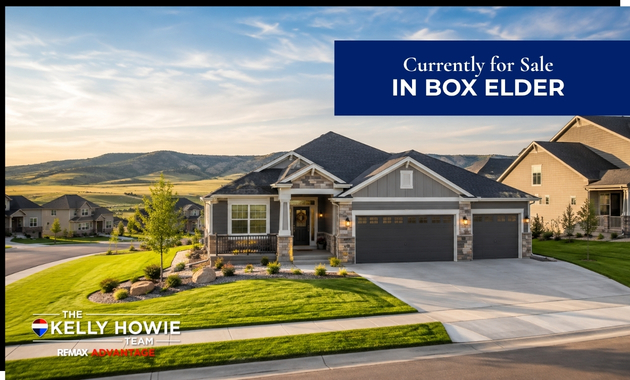
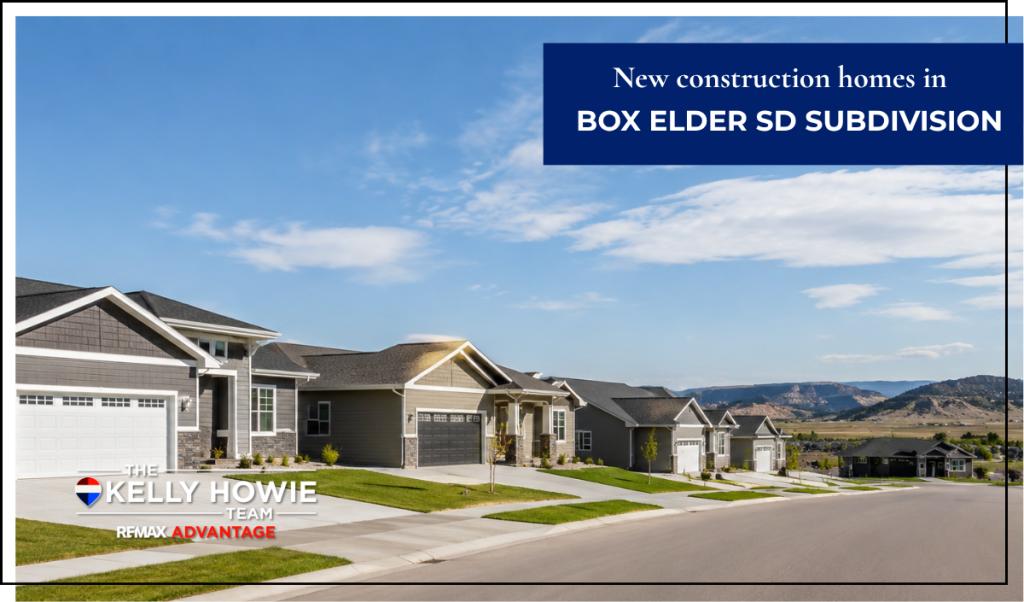
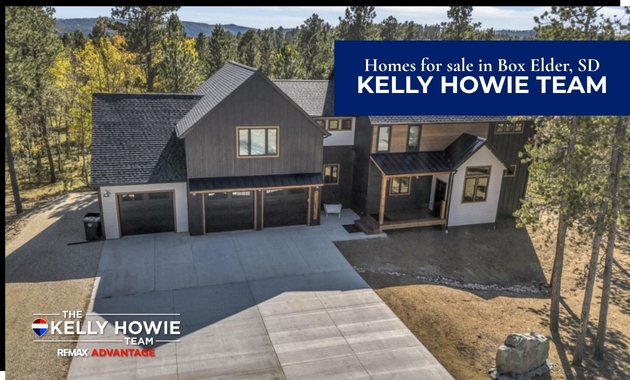
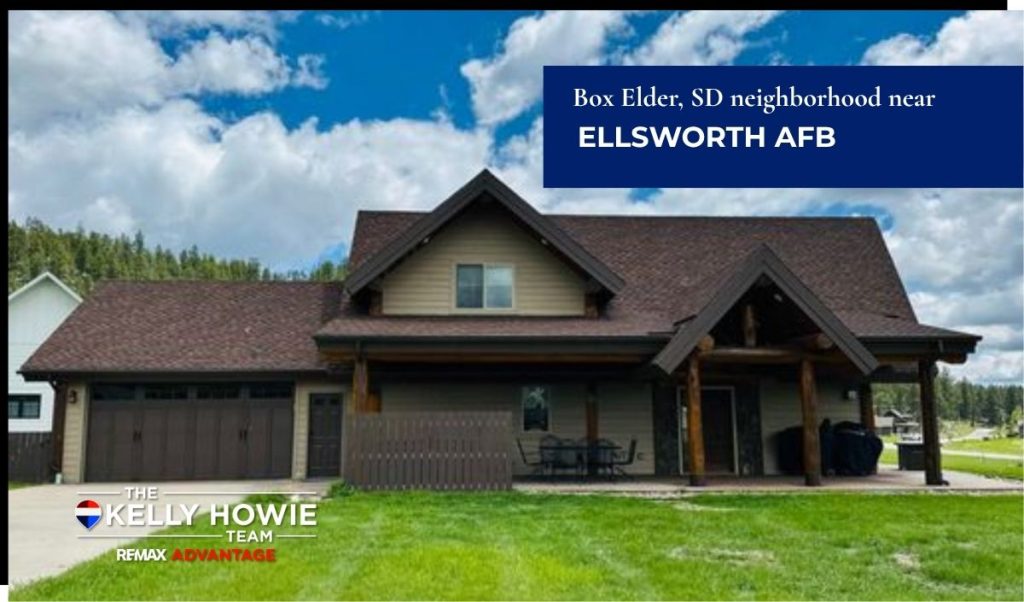
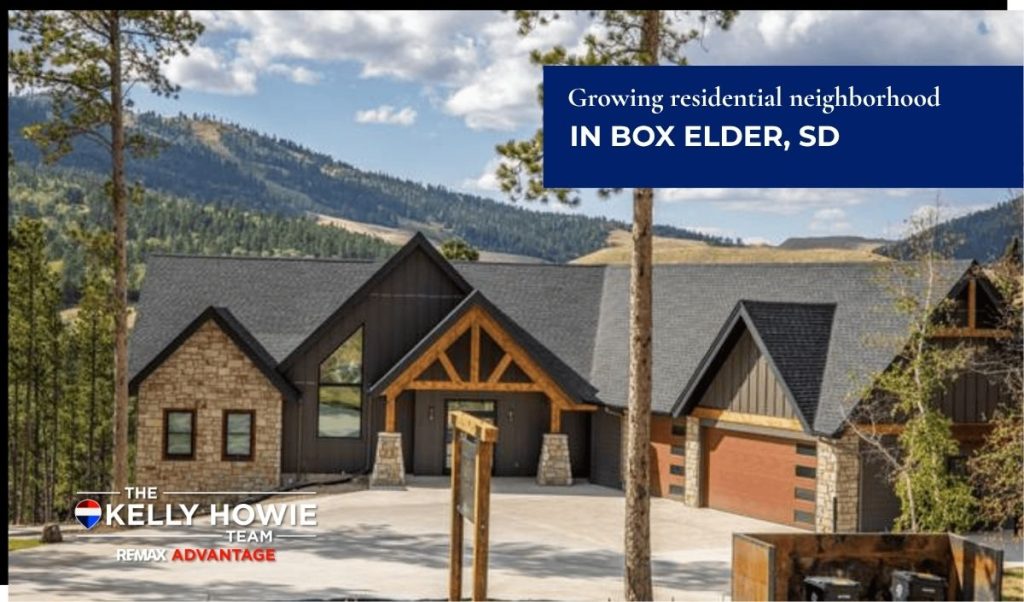
Box Elder is closer to the border of Ellsworth, making it the shortest commute to the main gate at 5 to 10 minutes for most neighborhoods in the area. It’s also where most new construction near the base is happening right now, with several active subdivisions and entry-level new builds starting around $300,000.
The trade-off is that most of Box Elder falls under the Douglas School District, but not all of it; some streets fall under Rapid City Area Schools instead, so confirming district assignment for any specific property matters before making an offer.
Our full Box Elder buyer’s guide covers current pricing and subdivisions in more depth, since availability changes quickly.
Our latest military family chose our Rapid City area even if it meant an extra 5-minute drive, since it’s very well located; the commute to almost anywhere is very short compared to the cities they came from.
Rapid Valley and Rapid City: More Established, Still Close
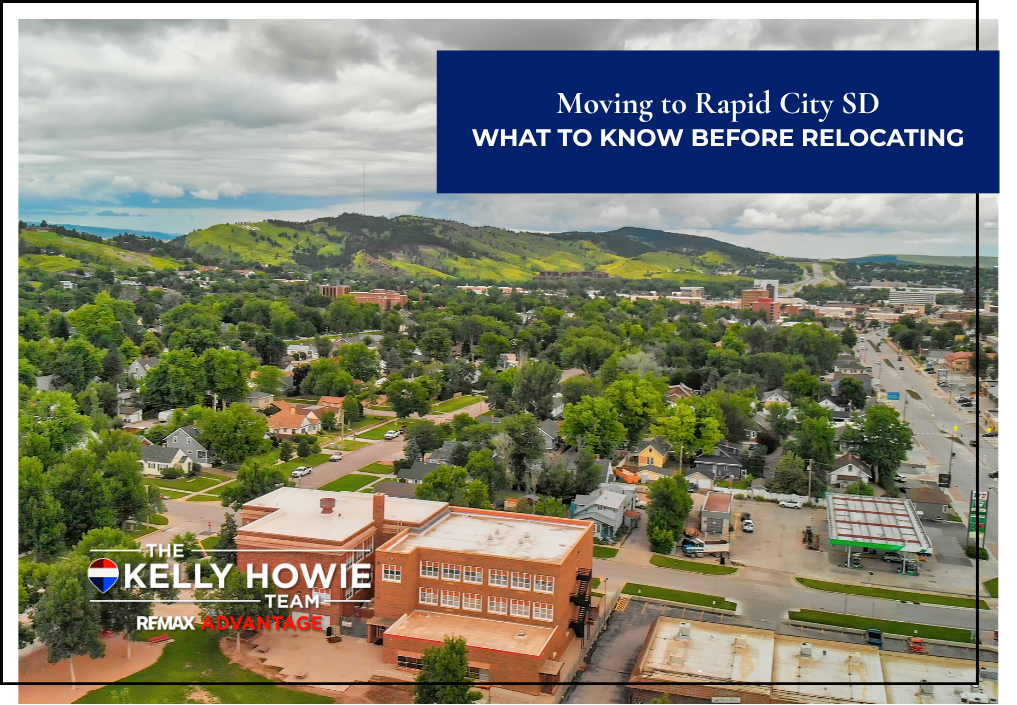
Rapid Valley is 15 to 20 minutes from the main gate if you go via Ellsworth Road, and Rapid City itself is 10 to 15 minutes out along I-90. Both trade a few extra commute minutes for a larger resale inventory, the more established neighborhoods, and easier access to in-town amenities than Box Elder offers for now.
This is also where buyers can get the most neighborhood-to-neighborhood variation in price and character.
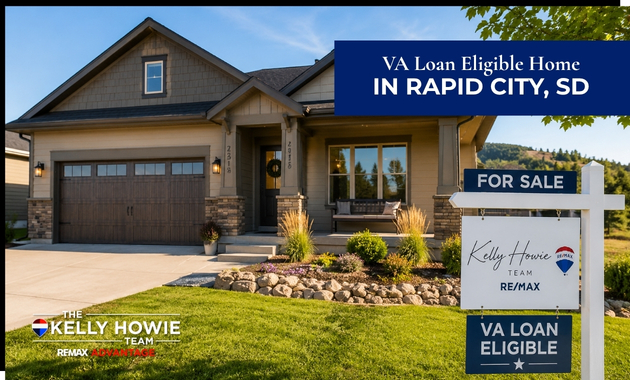
Our Rapid City neighborhoods guide breaks down how areas like Canyon Lake, North Rapid City, and the Sheridan Lake Road corridor compare on price, lot size, and commute specifically. For military buyers using VA financing, our guide to VA loan homes in Rapid City covers how loan limits and funding fees apply across this wider search area.
Summerset, Sturgis, and Meade County: Space Over Commute
For our families who prioritize space and price over commute time, Meade County towns like Sturgis sit roughly 20 to 30 minutes from Ellsworth, with Summerset landing in a similar range.
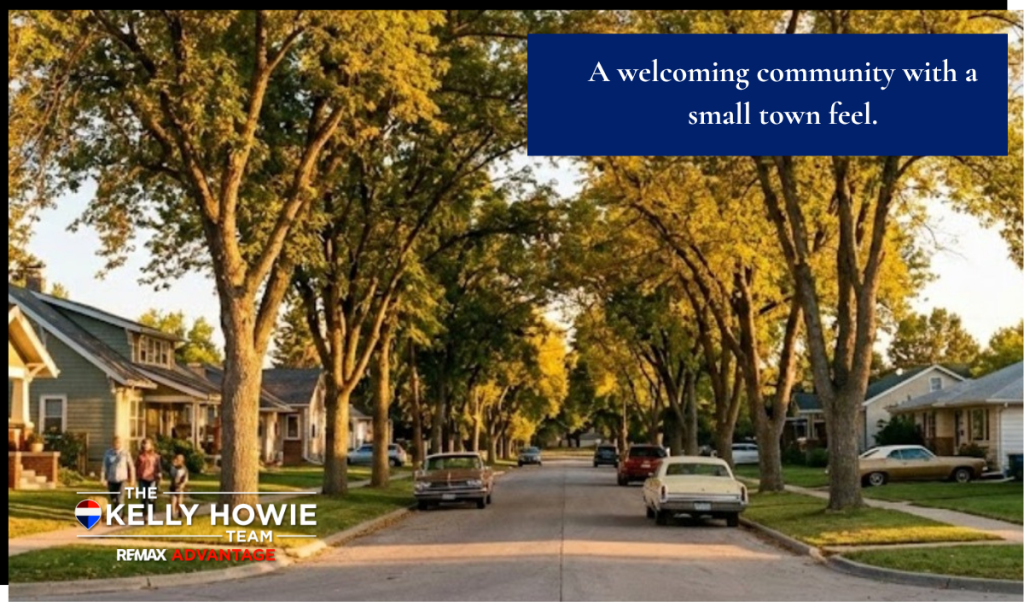
These communities trade a longer drive for larger lots, lower price points, and a quieter, more small-town character than either Box Elder or central Rapid City.
This option tends to appeal most to families with a spouse working outside the immediate base area, or those who prioritize acreage and a slower pace over shaving a few minutes off the daily commute.
Why Gate Hours Matter for Where You Live
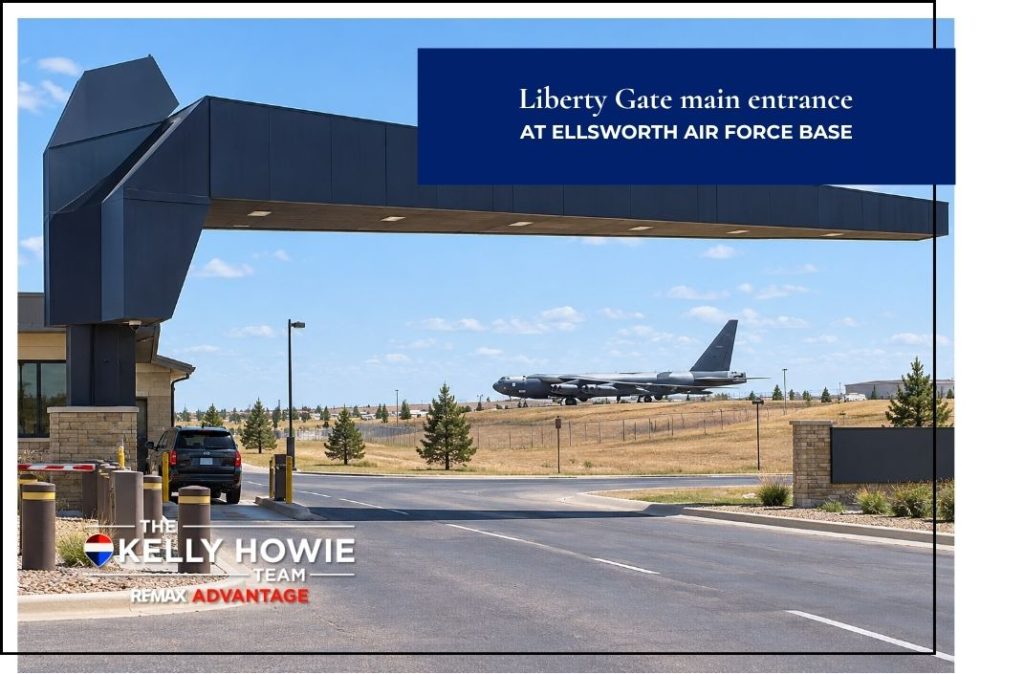
Commute distance isn’t the only factor; which gate you’ll actually be using matters just as much, especially for anyone working shift hours. Ellsworth’s Liberty Gate is guarded around the clock and is the only gate open 24 hours a day, seven days a week. The Bismarck and Patriot Gates, by contrast, are restricted to weekday daytime hours and aren’t available for after-hours or weekend access.
In practice, that means anyone working nights, weekends, or on an unpredictable flight schedule needs to route through Liberty Gate regardless of which neighborhood they live in, which narrows the practical commute-time advantage of living close to Bismarck or Patriot specifically.
Our Ellsworth AFB relocation guide covers on-base housing, BAH, and the rest of the PCS timeline in more depth if you’re still early in the planning process.
Find the Right Neighborhood for Your Commute
Every family gives different importance to commute, price, and space; the “best” neighborhood near Ellsworth really depends on which of those matters most to you. Kelly Howie Team works with military families relocating to Ellsworth regularly, comparing real listings across Box Elder, Rapid Valley, and Rapid City against your specific timeline and budget.
Contact the team to start narrowing down which neighborhood actually fits your PCS timeline.
Box Elder is the closest, sitting directly adjacent to the base with most neighborhoods within a 5- to 10-minute drive of the main gate. It’s also where most current new-construction inventory near the base is concentrated, giving buyers real choice in floor plan and finishes.
Rapid City is usually from 10 to 15 minutes from Ellsworth’s main gate via I-90; it depends on where in the city you are. It offers a larger resale inventory and more established neighborhoods than Box Elder in exchange for a slightly longer commute.
No. Only the Liberty Gate operates 24 hours a day, seven days a week. The Bismarck and Patriot Gates are restricted to weekday daytime hours, so after-hours and weekend traffic must use Liberty Gate, regardless of which neighborhood you live in.
It depends on priorities for you and your family. Box Elder offers a shorter commute and newer home inventory. Meanwhile, Rapid City offers more resale options, more amenities, and neighborhood variety, but with a slightly longer drive to the base; It really depends on what matters most to your family.
Sturgis is 20 to 30 minutes from Ellsworth’s main gate if you take I-90. Families choose this area when they want to prioritize larger lots, lower prices, and small-town character over minimizing commute time.