Selling In Rapid City: What Actually Moves A Home From Listed To Closed

Selling a home in Rapid City, SD, often gets described as “quick” or “competitive,” but most sellers want something more specific than a general market label. They want to know what actually drives a smooth sale, fewer surprises, and terms that match their goals.

For this Black Hills Market Basics series, Kelly Howie RE/MAX spoke with a team agent who manages listings and negotiations across Rapid City and the surrounding Black Hills. They shared what local signals matter when people try to time a move, how buyers shop today, what sellers should do before the first photo goes live, and how proactive coordination keeps a deal moving once it goes sale pending.

The Local Signals That Matter When Sellers Try To Time A Move

Sellers often watch national headlines, interest rates, and big market narratives. Local reality matters more. As the agent said, “We’ve all heard that Real Estate is local. Trends related to real estate sales can vary even from one local subdivision to the next.” They also explained why timing conversations needs fresh data. 

In practice, those “signals” are usually small and local. A seller might see a burst of similar listings in one pocket, or notice that a certain home style is getting faster showings again. In Rapid City homes for sale, those signals can change your first week of activity more than a national story does.

Pricing a home in South Dakota

Local signals that often matter in selling a home in Rapid City, SD

  • How many comparable homes are active right now in your micro area
  • How recent closed sales compare to current list pricing
  • Whether buyers in your price band ask for concessions more often
  • The pace of showings in the first seven to ten days
  • How quickly does buyer feedback point to price or condition gaps

What Sellers Should Know About How Buyers Shop Today

Most buyers walk into your listing with information already in hand. They have seen the photos. They have scanned the map. They have compared your home to others in the same price band. That changes how sellers should think about presentation.

What buyers often evaluate first, before the first showing

  • Photo quality and whether the space feels bright and clear
  • Signs of deferred maintenance that look expensive or time-consuming
  • How does the home compare to nearby listings at the same price
  • Whether the listing description matches what buyers can see
  • Whether the home looks staged, tidy, and move-in ready

Preparation That Supports The Best Marketing Positioning

Sellers often ask what to do first. The agent described preparation as the foundation for everything else. “Preparation for best marketing positioning,” they explained, becomes the difference between strong early momentum and the slow drip of showings that leads to price reductions.

They tied preparation to two specific actions

  • First, repairs and staging before photography. “Professional photography following recommended repairs and staging,” they said, helps your listing compete when buyers form their first impression.
  • Second, pricing that matches how buyers behave. The agent emphasized “competitive pricing with the expectation that buyers are waiting for a home just like theirs, at the right price.”

A practical pre-listing checklist

  • Complete recommended repairs that show up in photos and tours
  • Declutter and stage so rooms read as functional and spacious
  • Deep clean to remove odors and small distractions
  • Plan professional photography after repairs and staging
  • Review your micro market comps and current active listings
  • Set pricing expectations before the home goes live
Black Hills real estate seller preparation

Pricing For A Realistic Timeline, Before And During The Listing Window

Pricing is not a single decision. It is a strategy that needs realistic expectations.

The agent described pricing as a process that starts before listing. “Pricing for reasonable expectation of selling before listing and throughout the listing timeframe,” they said. That sentence matters because it reframes pricing as a timeline tool. Sellers should align on what “success” looks like in the first week, the first two weeks, and the first month.

In other words, a listing that misses early can become harder to sell, even if the home itself is strong. Buyers track days on market. They interpret reductions. They ask why a home “is still there.”

Pricing and momentum checks that help sellers stay grounded

  • Showings in the first week compared to comparable listings
  • Feedback about price versus condition versus layout
  • The number of saves, shares, and return visits from buyers
  • Whether buyer questions focus on repairs, terms, or value gaps
  • Whether similar homes are going pending faster than yours
Rapid City real estate listing strategy

Managing Showings Without Making Life Miserable

Showings are part of selling a home in Rapid City, SD, but sellers still have jobs, kids, routines, and privacy needs. The agent described this as a specific part of the process, “Managing showing agents and expectations throughout the process to best accommodate the Seller’s lifestyle.”

This is where clear boundaries and communication matter. A seller who knows what to expect tends to feel less stress, even with frequent tours.

Showings that feel smoother usually share a few characteristics

  • A plan for a daily reset, quick tidy routine, trash, counters, and floors
  • Clear notice expectations when possible
  • A schedule window that respects work and school rhythms
  • Consistent lockbox and access coordination
  • Fast feedback collection so sellers know what buyers noticed

What Actually Happens In The Sale Pending Phase

Many sellers think the hard part ends when they accept an offer. The offer is the start of the most coordinated phase of the transaction.

The agent described it as a full coordination job, “Expectations throughout the ‘sale pending’ phase. Coordinating title, lender, appraiser, documentation, and all other related parties to ensure a successful closing.”

A simple timeline view of what sellers often experience after acceptance

  • Inspection scheduling, then repair requests, and negotiation
  • Appraisal ordering and appointment coordination
  • Lender document requests and underwriting checkpoints
  • Title work progress and any needed clarifications
  • Final walkthrough coordination and closing logistics
Selling a home in South Dakota timeline

What Proactive Communication Looks Like In A Real Transaction

Sellers often say they want a proactive agent. The interview explained what that means in day-to-day work, not as a slogan.

The agent said, “Through decades of experience, we are able to navigate the typical pitfalls of a real estate transaction.” They explained how experience shows up: “We understand and pay close attention to the smallest of details because each could potentially derail your entire transaction.”

Proactive steps that often keep a sale moving

  • Setting expectations early about timelines and common friction points
  • Flagging documentation needs before they become urgent
  • Coordinating inspection and appraisal windows quickly
  • Staying ahead of repair negotiations with realistic guidance
  • Keeping all parties aligned so small delays do not stack/

The Takeaway For Sellers In Rapid City

Selling a home in Rapid City, SD, moves best when preparation and pricing work together from day one, and when the sale pending phase gets managed like a project, not a waiting period.

The interview captured the local truth that drives results: “Trends related to real estate sales can vary even from one local subdivision to the next,” and “Markets can change from day to day.” That is why micro market knowledge, professional presentation, and proactive communication matter so much. When those pieces align, the path from listed to closed feels clearer, steadier, and far less stressful.

Moving To The Black Hills: The Biggest Home Buying Surprises And How To Prepare

Moving to the Black Hills usually starts with a lifestyle goal, more space, more scenery, a calmer pace, and a place that feels like home. Then the tours begin, and the market starts acting neighborhood by neighborhood. For this Black Hills Market Basics series, Kelly Howie RE/MAX spoke with a team agent who works with relocating buyers across Rapid City real estate and the surrounding Black Hills. 

They shared what “the right home” typically means here, what surprises people once they start touring Rapid City homes for sale, and why proactive communication matters most when a transaction gets detailed.

Surprise One: The Right Home Starts With Budget And Lending Reality

Relocating buyers often arrive with a strong wish list. The team starts with a budget because it controls everything else.

As the agent said, “The most critical first component for most buyers is ensuring the price point will meet their budget.”

They also explained the team’s first priority in plain terms: “Working directly with the client and their lender is our first priority from initial consultation throughout the process.” That matters because lender requirements influence what homes are realistic, especially when condition, appraisal, and inspection come into play.

Moving to the Black Hills relocation guide

A practical “right home” framework that fits buying a home in Rapid City SD.

  • Budget fit, monthly comfort, cash to close comfort
  • Lifestyle fit, commute, schools, trails, errands, winter access
  • Layout fit, bedrooms, work space, guest space, storage
  • Condition fit, what you will address now, what you will plan for later

A first week preparation list that reduces wasted tours.

  • Confirm your budget range with lender feedback
  • Identify three non-negotiables, then a short list of flex items
  • Decide your comfort level with repairs before you tour
  • Align your timeline with how quickly you can make decisions

Surprise Two: Micro Markets Make Pricing Feel Different Fast

Many people moving to the Black Hills expect one consistent pricing pattern. The agent described a more local reality: “Our clients from larger markets are often surprised to find that the pricing variables can vary greatly throughout our market, and for anyone looking to move to Western South Dakota, there is literally something for anyone.”

That line explains why two similar homes can feel priced differently. Location, views, lot features, home style, and condition can quickly shift value over short distances.

Micro market signals buyers can watch early.

  • Inventory changes by neighborhood, not just by city
  • Certain layouts attract more competition at the same price point
  • Some pockets deliver more functional space for the budget
  • Views, terrain, and access influence perceived value quickly

How to compare Rapid City homes for sale without getting whiplash.

  • Tour in clusters, same area, similar home style, similar price band
  • Track the same notes every time, layout function, condition, location, feel
  • Ask what “normal” looks like in that pocket right now
  • Keep non-negotiables steady, even when preferences shift
Buying a home in Rapid City SD planning

Surprise Three: Bigger Market Assumptions Do Not Translate Cleanly

Relocating buyers often bring assumptions from larger metros, especially around volatility and what “fast-moving” means. The agent addressed this directly, “Our market is more often more stable than the larger markets.” They explained why, “We tend to find our area somewhat insulated from the larger ‘boom and bust’ swings and instead are appreciative of a typically more balanced market with historically steady appreciation.”

That does not mean every neighborhood behaves the same. It means buyers benefit from local context instead of relying on national generalities.

Common, bigger market assumptions that can mislead 

  • Treating the whole city as one market instead of micro markets
  • Assuming urgency always beats analysis
  • Discounting below grade space without evaluating function
  • Expecting pricing behavior to match major metros

Surprise Four: Basement Living Often Adds Value And Space

This surprise shows up quickly on tours. Many newcomers do not expect so much usable space below grade. The agent described it clearly: “Many are surprised to find that basements and below-grade living is common and often a way to get more square footage within their budget.”

Below-grade living can be a strong fit for many households, and it can also be a matter of preference. Either way, buyers should evaluate it thoughtfully.

Why basement space matters for many relocating households

  • Guest rooms without moving into a higher price band
  • Work from home separation
  • Storage for four-season gear and hobbies
  • Flexible living zones for teens or visiting family

A basement tour checklist that keeps comparisons fair

  • Light and comfort, how it feels midday and late afternoon
  • Layout function, privacy, usable living zones
  • Temperature consistency, airflow, HVAC distribution
  • Storage and mechanical access
  • Moisture signals, smell, staining, and ventilation habits
Rapid City homes for sale tour checklist

A Local Financial Surprise That Often Comes Up Early

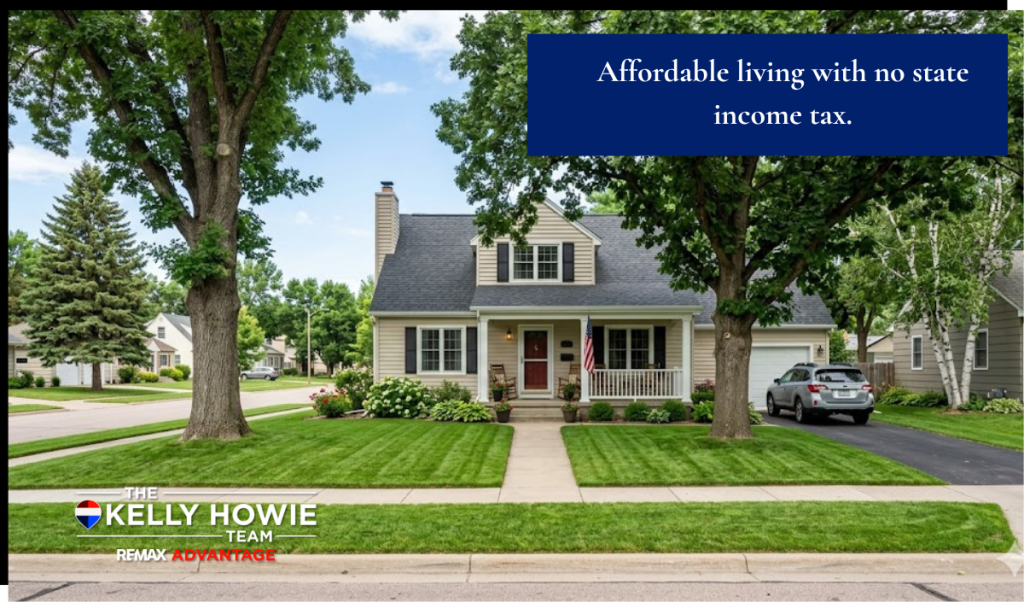
Not every surprise is about layout. Some surprises are financial. The agent noted one that relocating buyers often appreciate: “Some clients are pleased to find no state income tax.”

This does not replace the need to understand property taxes, utilities, and winter costs. It can still shift relocation math for some households.

Why Proactive Communication Matters More During Relocation

Relocation adds moving parts, travel windows, school calendars, vendors, and job timing. Those layers make small issues feel larger. The agent described proactive communication as a real transaction skill. “We understand and pay close attention to the smallest of details because each could potentially derail your entire transaction.”

They also named the kinds of pitfalls their experience helps prevent: “inadequately approved buyers, unrealistic Sellers, inexperienced lenders, distracted or confrontational cooperating real estate agents, over-zealous inspectors, delayed or undervalued appraisal reports, documentation inaccuracies.”

What proactive communication looks like for a buyer moving to the Black Hills.

  • Clear expectations early, what happens next, what can change
  • Updates tied to milestones, inspection, appraisal, title, and closing
  • Problems flagged early with options and a decision path
  • Coordination with the lender and title so documents stay accurate

A Simple Preparation Plan That Fits Black Hills Real Estate

Moving to the Black Hills feels smoother when you treat preparation as part of the buying strategy.

  1. Align budget and lender guidance early
  • Confirm your range
  • Keep documentation current
  • Understand the condition requirements before you tour
  1. Shop by micro market, not by assumption
  • Compare within pockets first
  • Use consistent tour notes
  • Stay flexible on boundaries when the best fit sits nearby
  1. Tour with a checklist that fits Rapid City homes
  • Evaluate below grade space as usable space when it functions well
  • Prioritize layout, light, storage, and winter practicalities
  • Keep your non-negotiables steady, even when inventory feels tight
Rapid City real estate relocation tips

Black Hills buying: micro markets, basement living, quick timelines.

Moving to the Black Hills comes with predictable surprises in home buying. Rapid City real estate operates on a micro level; basement living often plays a bigger role than newcomers expect, and timelines can move quickly once the right home appears.

The agent captured the core value of a local approach in two lines: “Working directly with the client and their lender is our first priority,” and “We understand and pay close attention to the smallest of details because each could potentially derail your entire transaction.” With lender alignment, micro-market comparisons, and proactive communication, relocating buyers can buy with clarity rather than pressure.

Black Hills Real Estate Basics: What To Know Before You Buy In Rapid City

If you are researching Rapid City real estate, you are probably looking for a straight answer to a simple question: Will buying here actually work for my life and my budget? Rapid City and the Black Hills can feel calmer than bigger markets, but the housing search can move quickly. The tradeoffs are easier to handle when you expect them.

This Kelly Howie RE/MAX guide is based on a local agent interview, focusing on what newcomers miss, what “the right home” usually means here, and what surprises relocating buyers once tours begin.

Rapid City homes for sale

What Makes Rapid City Real Estate Feel So Local

You will hear it a lot: real estate is local. In Rapid City, it is not a slogan. It is a practical reality.

As the agent put it, “We’ve all heard that Real Estate is local. Trends related to real estate sales can vary even from one local subdivision to the next.”

That means two buyers shopping at the same price point can have completely different experiences depending on

  • Which neighborhood do they focus on
  • How many similar homes are active that week
  • How many buyers are competing for the same type of home

It also means timing matters more granularly than newcomers expect. “Markets can change from day to day,” the agent said, and that is why they emphasize working with a full-time professional who tracks the most current information.

The First Thing A New Buyer Should Understand

Most people want to start with listings. A good agent will start with your budget and your financing plan. In the interview, the agent said, “The most critical first component for most buyers is ensuring the price point will meet their budget.” They also noted that lender alignment stays central from the start, “Working directly with the client and their lender is our first priority from initial consultation throughout the process.”

Buying a home in Rapid City SD checklist

That matters because buying a home in Rapid City, SD, often includes practical checkpoints that can influence what you pursue

  • A lender’s requirements for property condition
  • How inspection repair requests get negotiated
  • How appraisals can shape the final terms

If you have not recently bought, the Consumer Financial Protection Bureau offers a helpful overview of the closing process and what happens between the offer and closing.

What “The Right Home” Usually Means In Rapid City

When buyers say “the right home,” they usually mean a mix of space, location, layout, and lifestyle. In Rapid City real estate, the team starts by getting clear on what “right” means for your daily life, not a Pinterest image.

Then they keep an eye out for options that a buyer might miss if they stay too rigid. The agent described it this way, “We then carefully review options that might be most attractive while paying attention to finding the right property that may fall just outside current search perimeters.”

In real terms, that often looks like

  • Expanding the map search slightly to find a better value
  • Considering different home styles that fit the same lifestyle

If you want a simple starting point for inventory types, the team’s single-family homes resource helps you compare common options in the area.

Assumptions From Bigger Markets That Do Not Translate Well Here

Many relocating buyers arrive with “big market expectations.” Some of those expectations help. Others create friction.

  •  A common misconception is that Rapid City will behave like a boom-and-bust metro.
  • “Our market is more often more stable than the larger markets,” they explained.
  • “We tend to find our area somewhat insulated from the larger ‘boom and bust’ swings and instead are appreciative of a typically more balanced market with historically steady appreciation.”
  • Buyers from larger markets are often surprised by how much pricing can vary over short distances.
  • “The pricing variables can vary greatly throughout our market,” the agent said.
  • So the adjustment is not just learning “the market.” It is learning micro-markets.

If you are relocating and trying to balance rate changes with local timing, Freddie Mac’s weekly mortgage rate survey is a reliable way to track national direction without relying on social media noise.

Black Hills real estate market guide

What Surprises Relocating Buyers Most On Tours

Rapid City homes for sale can surprise buyers in two very specific ways. First, some buyers notice a financial difference that affects their relocation planning. The agent said, “Some clients are pleased to find no state income tax.” 

Second, buyers often underestimate how common below-grade living is here. “Basements and below-grade living are common and often a way to get more square footage within their budget,” the agent said. That can be a positive. It can also be a preference. The key is evaluating it correctly.

Here is a simple tour checklist that helps buyers compare homes more realistically

  • How does the lower level feel for daily living, light, temperature, comfort
  • Does the layout support privacy for bedrooms or workspace
  • Is storage adequate for seasonal gear and hobbies
  • Does the neighborhood fit your routine at different times of day

For buyers browsing early, it also helps to use a consistent source for market info and listings so comparisons stay apples-to-apples. The team’s Rapid City real estate guide can help as you narrow neighborhoods.

Relocating to Rapid City SD

A Quick Local Definition Of “Moving Fast”

People hear “fast-moving market” and assume it means panic. Locally, it usually means you benefit from being prepared before you fall in love with a house.

That includes

  • Knowing your comfort monthly payment and cash-to-close range
  • Having lender documentation ready
  • Understanding your must-haves vs nice-to-haves
  • Being willing to tour quickly when the right match hits

It also includes using an agent who can give you neighborhood-level context, not vague generalities. The interview framed this as a professionalism issue. “It is critical to engage a true professional to ensure that you have the most recent information to make the best decisions possible.”

A Realistic Takeaway For Rapid City Buyers

Rapid City real estate rewards buyers who stay grounded. This market tends to feel more stable than many larger metros, but it also changes from neighborhood to neighborhood, and sometimes from week to week.

When you start with budget and lender readiness, define what “right home” means for your lifestyle, and evaluate common surprises like below-grade living correctly, you buy with less stress and fewer regrets.

Kylie McMullin

As a third-generation Realtor who grew up in the Black Hills of South Dakota, I’ve always had a deep appreciation for the beauty and character of our area. I started my real estate career in 2016, working closely with the Owner/Broker of RE/MAX Advantage, and I’ve been passionate about this work ever since. Today, I’m proud to be a leader within a team of talented and driven agents. I love helping clients navigate the buying and selling process, and I’m committed to making every experience smooth, rewarding, and as stress-free as possible.

Whether you’re new to the Black Hills or a lifelong resident, I’m here to help you feel at home.

Kelly Howie

I’m an experienced listing and selling broker with a hands-on, proactive approach to real estate. I work alongside some of the most knowledgeable and trusted agents in the Rapid City area, and together we focus on delivering results that exceed expectations.

Whether you’re buying, selling, or investing, I’m here to anticipate your needs, offer honest advice, and guide you through every step of the process. I take pride in making each transaction smooth and successful, and I’m always ready to help you navigate the local market with confidence.