Rapid City’s overall cost of living runs a little below the national average, with housing and utilities costing less than in most U.S. cities. In contrast, groceries and healthcare run a bit higher.
The single biggest factor working in residents’ favor doesn’t show up in a standard cost-of-living index: South Dakota has no state income tax, which meaningfully increases take-home pay compared to most states buyers are relocating from.
Between lower housing costs and no income tax, many newcomers find their money goes further here than the raw index score suggests, a comparison our Kelly Howie Team regularly walks relocating buyers through.
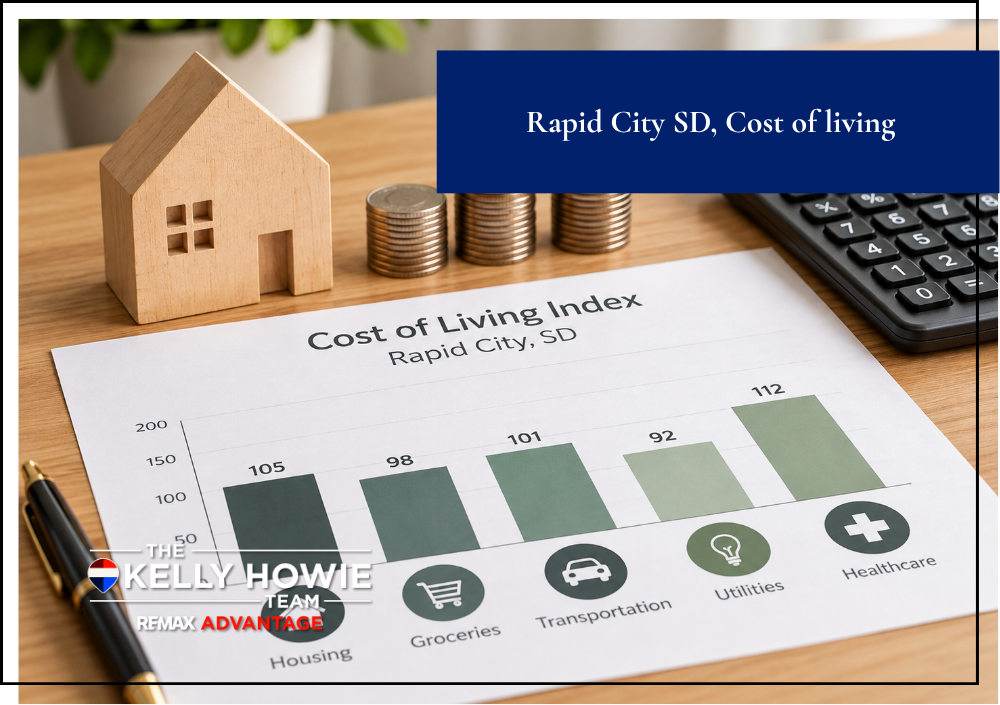
Rapid City’s Overall Cost of Living
On BestPlaces’ cost-of-living scale, 100 represents the national average. Rapid City scores 97.8, meaning it costs about 2.2% less to live here than in the average U.S. city and roughly 9.5% less than the South Dakota average overall.
That single number hides a lot of variation, though costs aren’t evenly lower across every category:
- Housing and utilities tend to run below the national average, the single largest factor keeping the overall index down.
- Groceries run slightly above the national average, a common pattern in smaller inland markets without the distribution scale of larger metros.
- Healthcare costs also tend to run higher than the national average, which is worth factoring in for anyone weighing a move that includes retirement or ongoing medical care.
- Transportation costs land close to the national average, with no major toll roads or unusually long commute times pulling the number in either direction.
Although our clients tend to notice immediate changes in their cost of living with groceries and utilities, one of their favorite things is getting to work more easily and in less time.
Housing Costs in Rapid City
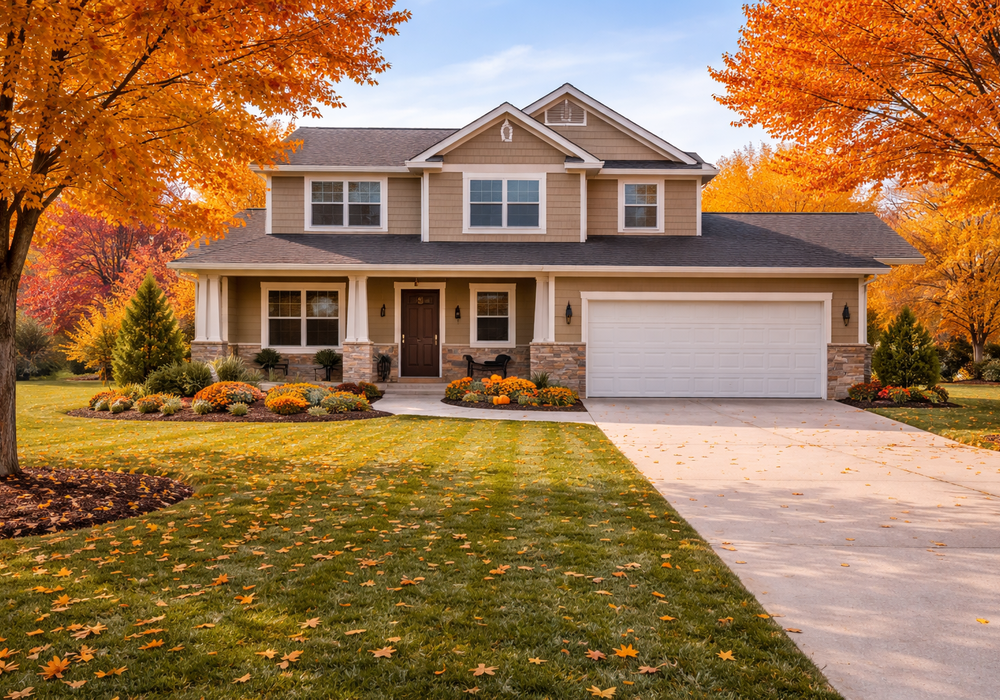
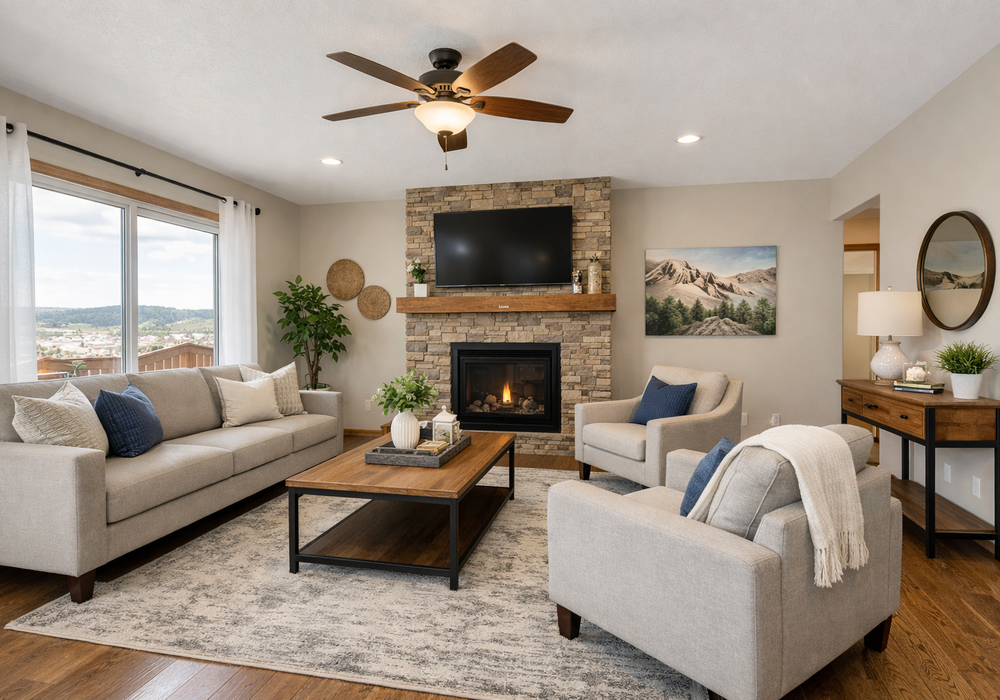
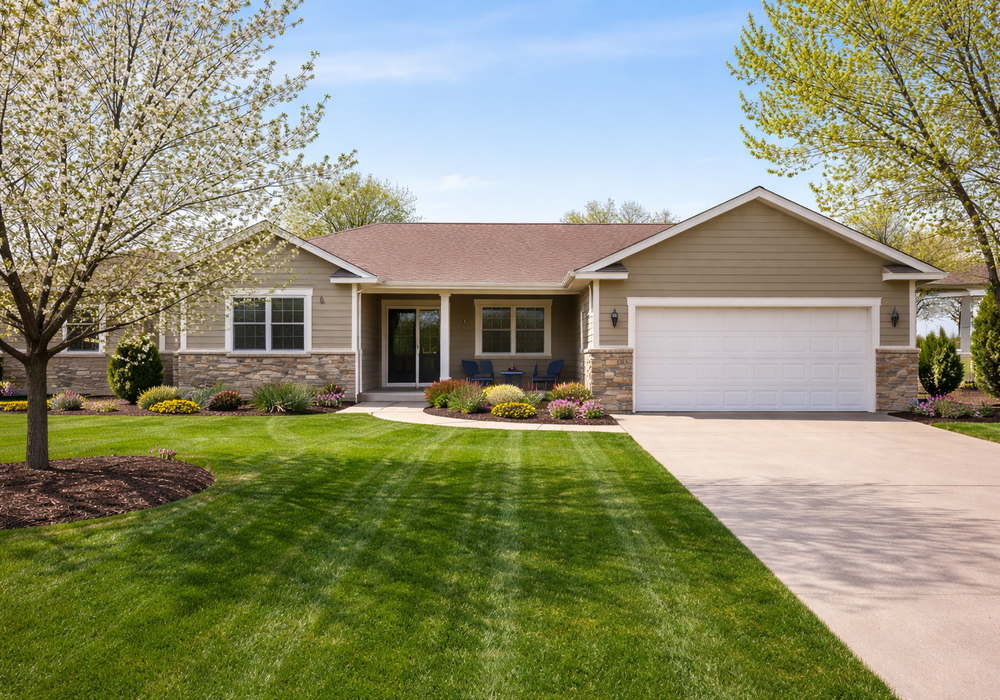
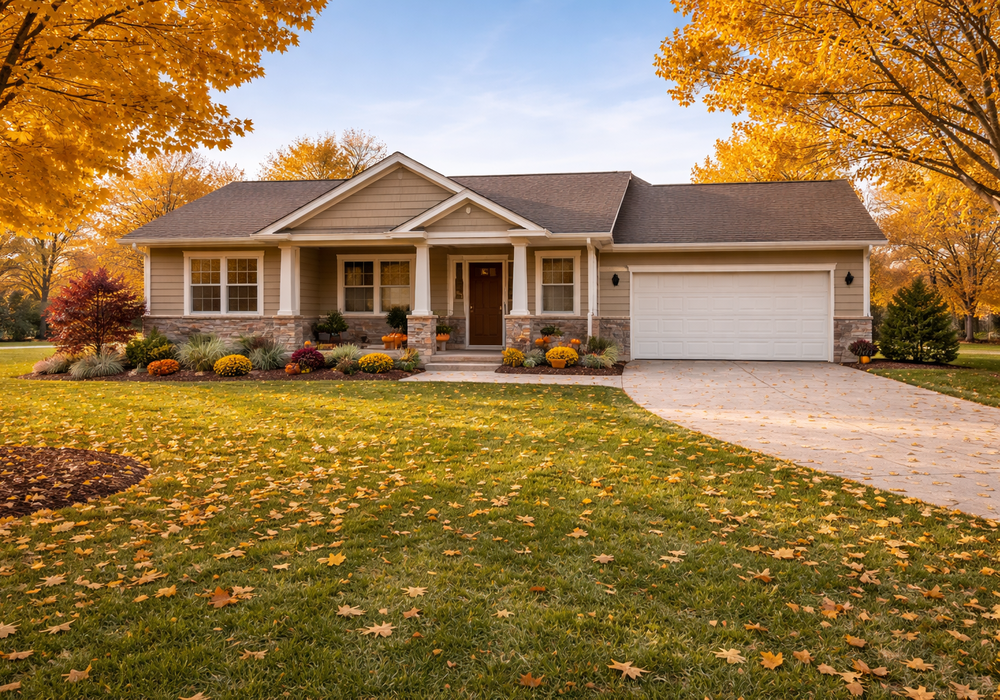
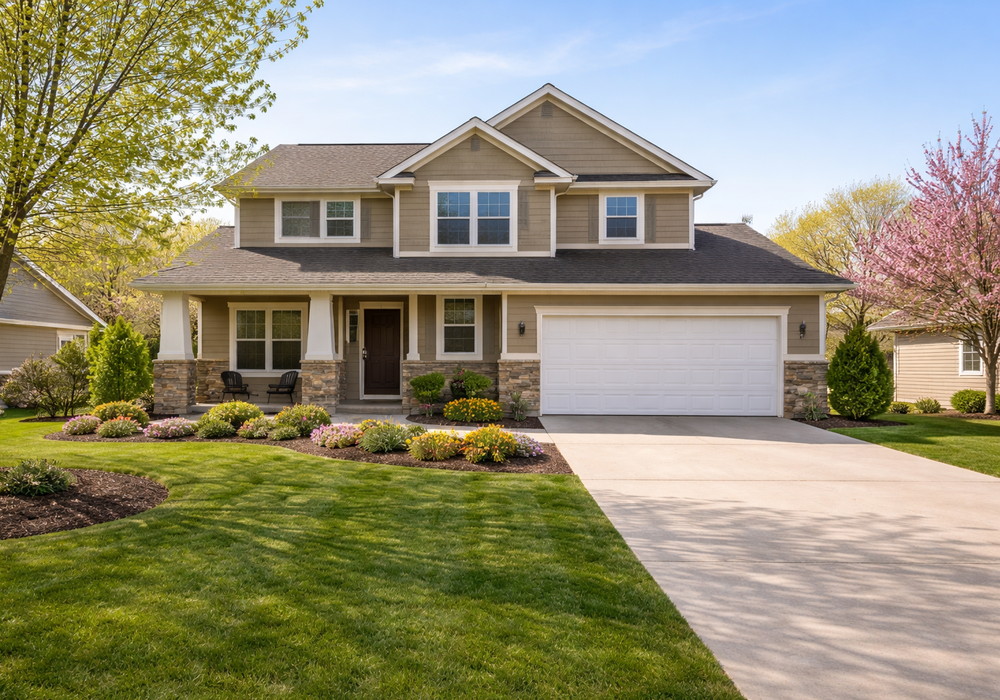
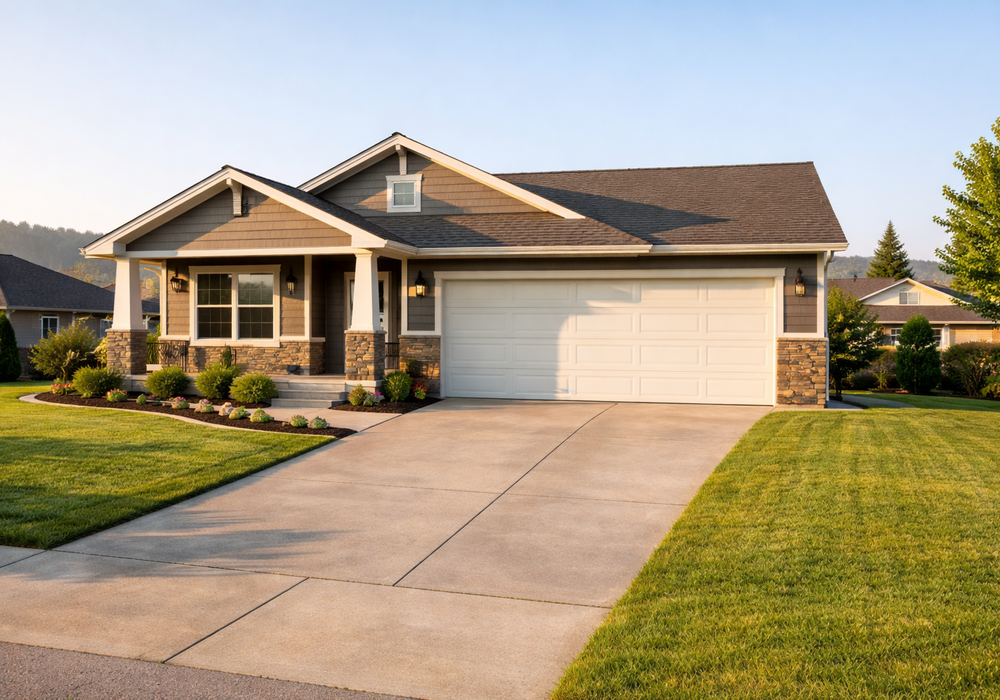
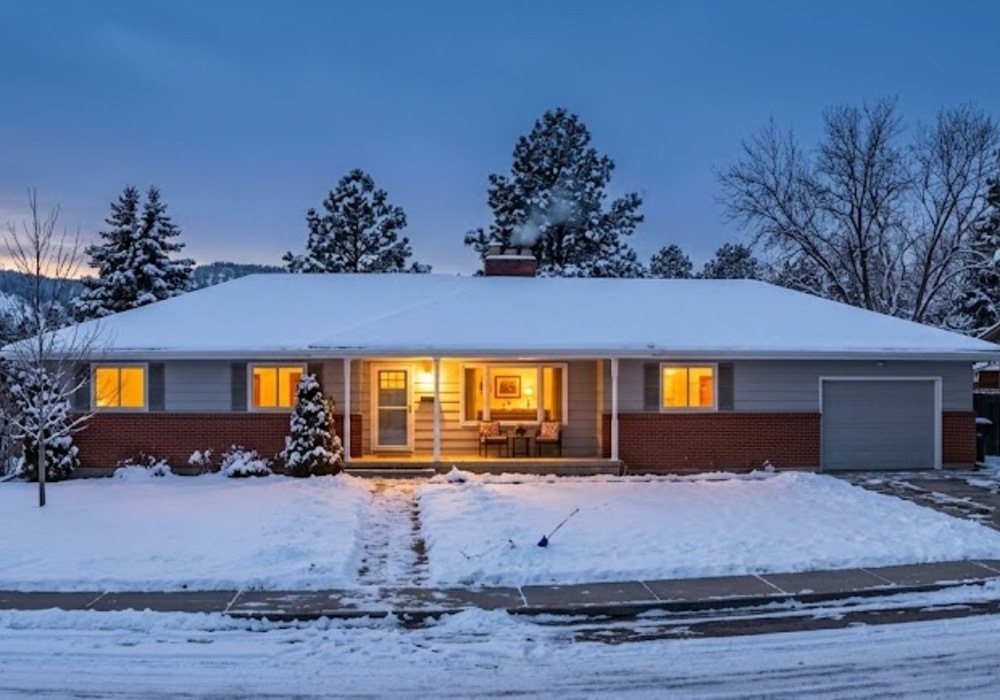
Housing is usually where Rapid City’s cost of living shows up, and where buyers feel it fastest.
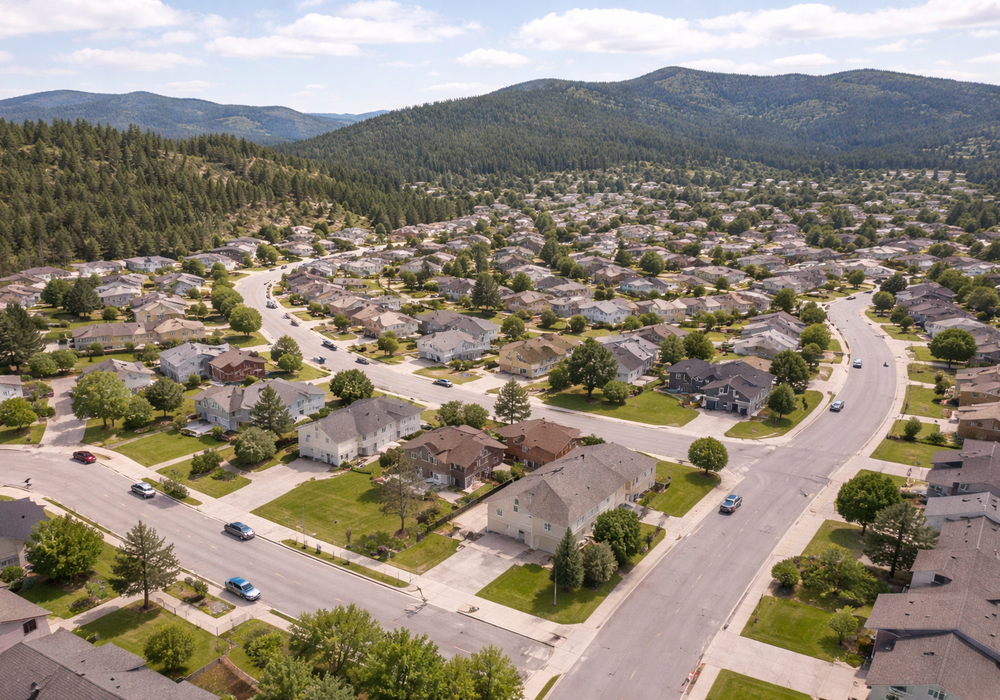
Our Rapid City neighborhoods guide covers how prices vary block by block across the city, from more affordable in-town options to newer construction on the west side.
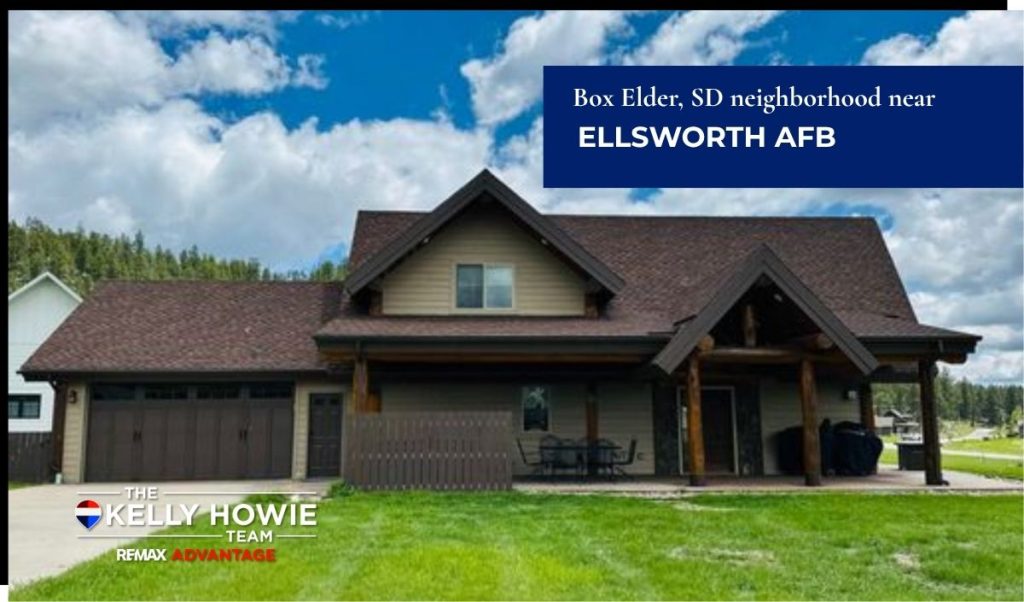
When our buyers prioritize new construction, they often look at eat of Box Elder; our guide to homes for sale in Box Elder covers pricing and subdivisions there specifically. Either way, housing costs here remain meaningfully lower than what buyers relocating from major metro areas on either coast are typically used to paying.
Taxes in South Dakota: The Best Advantage
Most cost-of-living comparisons focus on groceries, gas, and rent, and even though those are advantages we all love, South Dakota has no state income tax, so you keep more of every paycheck here than you would in most other states, regardless of your salary. That advantage still applies even in the categories where Rapid City costs a bit more than average, like groceries and healthcare.
That doesn’t mean South Dakota is tax-free across the board, though:
- The state sales tax rate is 4.2%, with an average combined state and local rate of 6.11% once local rates are added, below the national average.
- South Dakota’s effective property tax rate runs about 1.00% on owner-occupied housing, close to the national average.
- South Dakota has no estate or inheritance tax, which matters more to some relocating retirees than any single monthly expense.
For our veterans, there’s an additional layer worth knowing: disabled veterans may qualify for a property tax exemption of up to $150,000 if it’s their primary residence; we cover this detail in more depth in our guide to VA loan homes in Rapid City.
Rapid City’s Costs VS Income
Rapid City’s median household income runs around $70,870, which is somewhat below the national median.
Although on its own, that number sounds like a tighter budget than the cost-of-living index implies, the actual day-to-day affordability gap is smaller than comparing raw income figures suggest, thanks to no state income tax and below-average housing
Rapid City’s population has grown to roughly 78,000 residents in recent years; this is a sign that the combination of housing costs, no income tax, and job market conditions is drawing people in rather than pushing them out, even with grocery and healthcare costs running above the national average.
Would You Like to Relocate to Rapid City?
Cost-of-living numbers are only a part of the story; the rest depends on which neighborhood, price range, and commute fit your budget and lifestyle.
Our team walks relocating buyers through exactly that math daily, comparing take-home pay, housing costs, and neighborhood options side by side rather than relying on a single index score.
Contact us to talk through what your specific budget looks like in Rapid City.
Generally, yes. Rapid City’s overall cost of living runs slightly below the national average, mainly because housing and utility costs are lower, though groceries and healthcare run somewhat higher than average. Combined with no state income tax, many residents find their money stretches further than the raw index suggests.
Rapid City scores about 2.2% below the national average on the widely used BestPlaces cost-of-living index, and roughly 9.5% below the South Dakota state average. Housing is the biggest factor keeping that number down, while groceries and healthcare run slightly above the national average.
No. One of our favorite things about South Dakota is that it’s one of a small number of states with no personal income tax, so residents keep more of their paycheck than in most states. Instead, the state relies more heavily on sales and property taxes to fund public services.
Not really! It usually runs below the national average. Rent levels vary by neighborhood and property type, it’s always worth comparing current listings and not just relying on a single citywide average.
Rapid City is way less expensive than major Western metro areas like Denver, especially on housing costs, and it also has no state income tax. For buyers relocating from a higher-cost metro, the combined effect on take-home budget is often larger than the headline cost-of-living index alone suggests.